
Cabinet Quotes in Covington, GA
Record your cabinet choices and the reasons behind them in one buying brief.
Send my cabinet inquiry
Or call (562) 203-3232. Calls only, we do not receive text messages.
A cabinet decision is easier to revisit when you remember why you made it. For Covington, Covington Cabinet Index follows a hypothetical buyer keeping a short decision diary while moving from possibilities to a purchase. The record links a choice to its evidence, open conditions, and accepted version so a later proposal does not quietly overwrite the reasoning behind the intended order.
- Independent buying guidance
- Product inquiries
- Seller availability confirmed separately
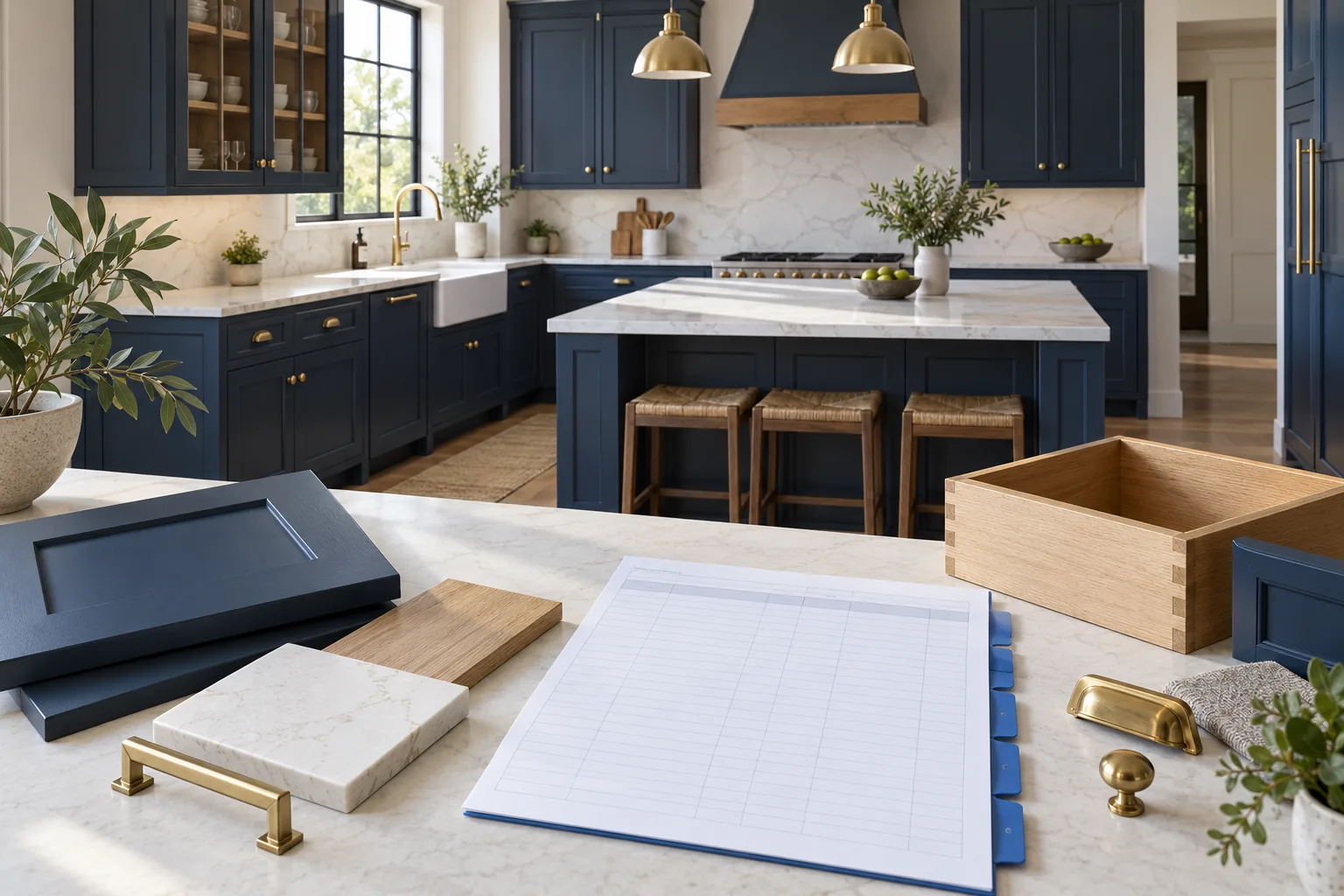
Cabinet product illustrations
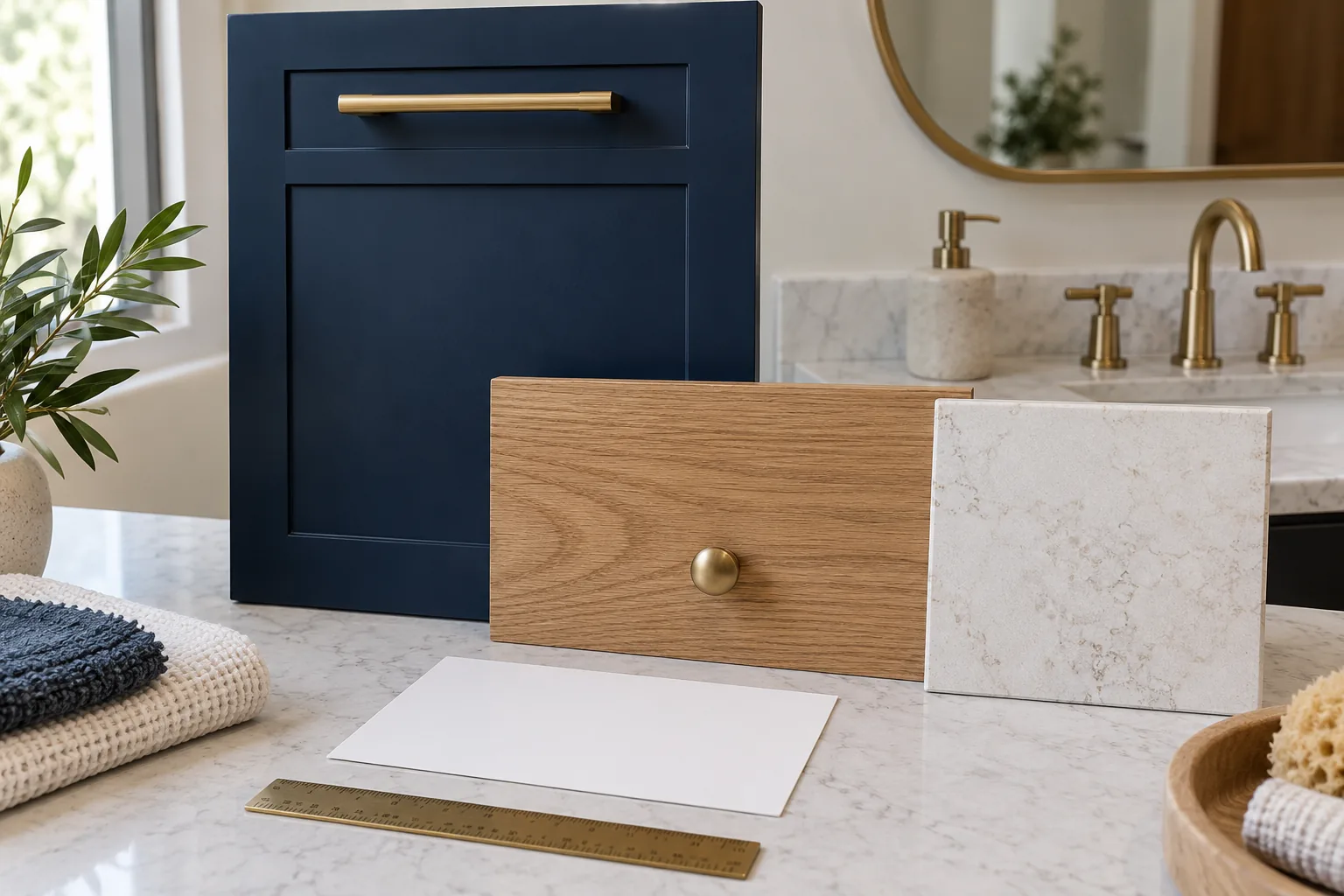
Illustrative product visualizations, not completed work, local properties or supplier facilities.

Prepare the purchase before choosing a supplier
Start with the decision under consideration rather than a claim that the project is already ready. The Index provides independent buying information, and the owner records inquiries for review. It does not issue product offers, stock cabinets, or perform project work. A potential contact introduction remains conditional on permission and independent recipient acceptance.
About Covington Cabinet Index
Know who handles each part
Independent cabinet buying information and quote-request service. We do not manufacture, stock or install cabinets. A referral, supplier response, appointment or purchase is not guaranteed. Product availability, delivery and installation must be confirmed directly with the seller or separately engaged contractor.
Record one decision with its reason
Write what the buyer is considering and what problem the choice is meant to solve. The hypothetical project concerns replacing a storage group while keeping the room's intended use. The diary should explain why a proposed arrangement is appealing, not only paste a product image. That reason helps evaluate another offer later.
Include the evidence available at the time: a product document, observed room fact, seller answer, or personal preference. Keep those categories distinguishable. A preference can be a valid reason to choose, but should not become an objective claim about construction. An unanswered seller question should remain open instead of being copied into the record as a fact.
Label the entry proposed, selected for further checking, or accepted under the actual transaction. These are different states. A buyer can favor one product without authorizing supply. The diary makes that boundary readable so a conversation about an option does not look like an order instruction.
Keep alternatives with the tradeoff they revealed
When another arrangement is offered, record what differs and what it would change for the buyer. The purpose is not to preserve every discarded idea forever. It is to retain the important tradeoff, such as a different storage function, product range, or fulfillment responsibility. A rejected option can explain why the current choice matters.
In the hypothetical purchase, a lower product subtotal may leave assembly outside the seller's scope. The buyer should record that responsibility rather than simply mark the offer cheaper. If another party later proposes the same arrangement, the diary shows which unanswered task needs acceptance before it can be relied upon.
Ask the seller to identify the actual offered products and completion pieces behind each option. Similar photographs can hide meaningful specification differences. The record should allow another person to understand what was compared without recreating the entire shopping conversation. Keep an unquoted task visibly unresolved.
Attach the room evidence to the choice it supports
Record accessible dimensions, openings, fixed elements, and retained appliance references relevant to the proposed storage. Use identifiable reference points and mark preliminary or inaccessible conditions. A decision diary is useful only if the reader can tell which room facts actually support the arrangement and which still need checking.
The IKEA planning reference supports gathering room and retained-appliance information. It does not verify this hypothetical project or establish field-design services from the Index. Ask the parties relying on the plan how the purchasing facts will be confirmed.
If a product or room detail changes, identify which diary answers no longer apply. A prior fit check may concern a different model or combination. Do not transfer it automatically to a substitute because the overall goal is the same. Preserve the current drawing version with the actual selected product references.
Cost estimates with a visible decision history
No observed Covington cabinet prices are supplied in the source bank. Ask for estimates tied to the current intended units, completion pieces, and fulfillment. Keep earlier amounts dated with their scopes. A revised total should not erase the reason for its change or appear to describe an arrangement it never priced.
For the hypothetical buyer, record which difference caused the next estimate: selected accessory, product range, quantity, or accepted handling. If several changed, list the bundle. Separately engaged work needs actual scoped pricing from its provider. A missing number remains unknown rather than an assumed saving.
Decision-record estimates for this Covington exercise are subject to change with accepted selections and responsibilities; the seller's written quote establishes the supplied version and amount. Independent work requires separate documented terms. The Index does not guarantee price continuity or a lower complete-purchase cost merely because the buyer preserved a comparison history.
Use the adopted plan to keep locality names accurate
The supplied Newton County plan adopted in June 2023 names Covington, Oxford, Porterdale, and Mansfield as distinct municipalities. This provides the directory's local context. It does not describe cabinets, housing conditions, vendor acceptance, or a property approval rule.
Identify the actual project locality and ZIP when seeking seller fulfillment terms. A municipal name should not be treated as proof of inventory or delivery coverage. Give observed property information where the responsible party needs it. Any approval question should be answered for the actual address and work scope by the relevant authority.
The location articles use different hypothetical decisions: supply boundaries in Oxford, split component sellers in Porterdale, and unanswered transaction terms in Mansfield. They are editorial exercises rather than local prevalence claims. The diary can incorporate whichever question matters to the purchase while preserving the correct project identity.
Turn the latest open item into an inquiry
Choose the unresolved diary entry that most affects the next step and describe it clearly. Include the current product or drawing references, relevant Covington project facts, and preferred timing. A review record should not mix a discarded option with the arrangement now being considered unless the comparison itself is the question.
The owner records submitted inquiries for review. Explicit permission is required for any possible contact sharing, and another party must independently agree to consider the project. There is no automatic ZIP assignment to vetted sellers. The Index cannot promise a response, accepted referral, inventory position, or professional appointment.
Before purchasing, reconcile the accepted quote with the current diary entry and plan. Make sure goods, destination, price scope, and responsibility boundaries agree. The diary explains the choice while the actual seller documents establish the transaction. It is an organization method, not a substitute for the parties' accepted commitments.
Inquiry process
From buying questions to a possible supplier quote
Sending an inquiry does not reserve products or book work.
Describe the purchase
Include project ZIP, room, approximate cabinet list and preferred timing.
Clarify requirements
Identify assembly, access, measurements and any separately arranged labor.
Confirm referral availability
An inquiry can be referred only if a suitable seller accepts the location and product request.
Review seller terms
Confirm the final drawing, itemized price, payment, delivery and return terms directly before ordering.
Local buying information
Local inquiry guides
Questions
Questions Covington homeowners ask
What belongs in a cabinet decision diary?
Record the choice, reason, supporting evidence, unresolved conditions, and its actual status. Identify the product or drawing version it concerns. A useful entry distinguishes personal preference from a room fact or seller commitment so a later proposal can be assessed against the right information.
Should an old estimate stay in the current record?
Keep it dated and connected to its prior scope when it explains a meaningful tradeoff. Do not present it as an available current offer without the seller's confirmation. The purchasing amount needs to follow the accepted product and responsibility version.
Does the county plan establish how my room is arranged?
The supplied adopted plan names municipalities and does not describe an individual kitchen, access condition, or seller offer. Record observations for your own project. Property-specific questions and commercial acceptance need responses from the actual authority or transaction party.
Will inquiry submission authorize my selected option?
The owner reviews the record and does not place a product order through submission. Potential sharing requires permission and independent recipient acceptance. Authorize actual goods or work only through parties that establish their scope, amount, and accepted transaction terms.
Send my cabinet inquiry
Or call (562) 203-3232. Calls only, we do not receive text messages.
Talk to us about your project
Describe the purchase and project ZIP in Covington. Supplier acceptance and any referral are confirmed separately; no visit or quote is booked by this form.
Calls only, we do not receive text messages.